Report: Webinar „Ecological Turn in A Changing World“ | 18th of April 2026 | Exploring Sustainability, AI and Global Responsibility together with Prof. Ernst Pöppel & Dr. Maria Reinisch
We live in a world shaped by accelerating environmental crises, complex socio-ecological challenges, and rapid advances in artificial intelligence. In light of these current developments, the question of how to rethink sustainability and responsibility on a global scale has become more urgent than ever, requiring international cooperation, shared knowledge, and collective action.
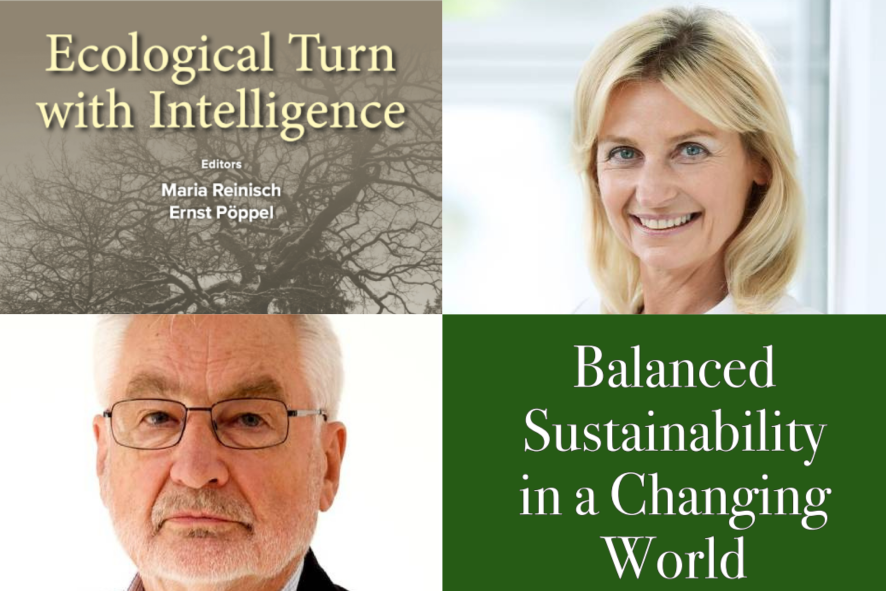
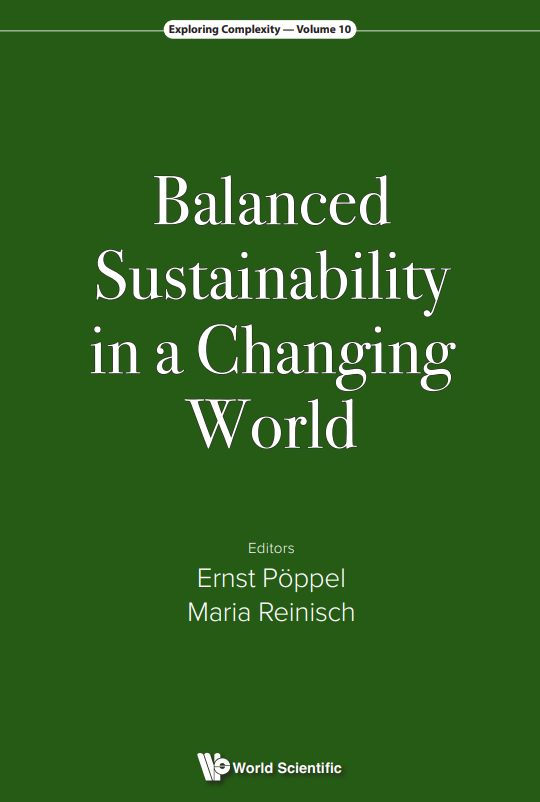
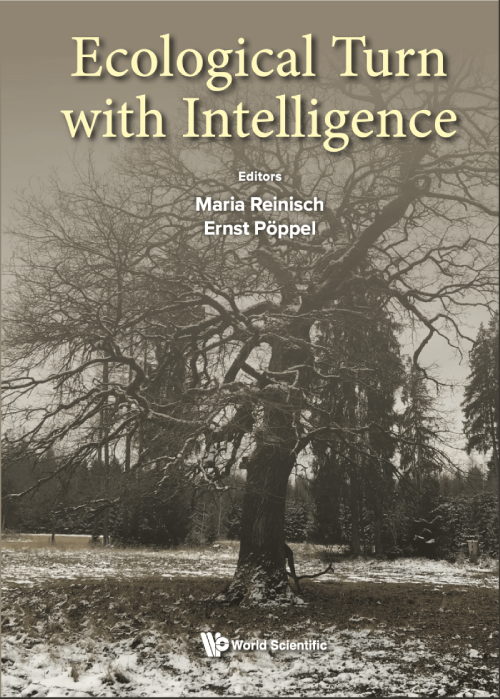
Against this backdrop, the webinar “Ecological Turn in a Changing World,” hosted by Prof. Ernst Pöppel (LMU) and Dr. Maria Reinisch (VDW) brought together emerging scholars to discuss new pathways toward ecological transformation. The event was based on two publications by Ernst Pöppel and Maria Reinisch: Balanced Sustainability in a Changing World and Ecological Turn with Intelligence.
Both books emerged from an interdisciplinary Autumn and Winter Schools, where young researchers explored global sustainability challenges and ecological responsibility from interdisciplinary perspectives. The webinar featured seven presentations by international members of Young VDW and was organized by the Federation of German Scientists and the Ludwig Maximilian University of Munich. Additional support was provided by the European Academy of Sciences and Arts, ULP Taiwan, and World Scientific Singapore.
Welcome address by Prof. Ernst Pöppel and Dr. Maria Reinisch
The webinar opened with welcoming remarks by Prof. Ernst Pöppel, who highlighted the role of scientists as “natural ambassadors”, capable of fostering cooperation beyond cultural, religious, and political boundaries.
Dr. Maria Reinisch then presented the work of VDW, focusing on its commitment to addressing pressing global issues such as climate change, biodiversity loss, and questions of peace and security. She emphasized the importance of the Young VDW, which connect young researchers worldwide and encourages collaborative thinking.
Presentations from Balanced Sustainability in a Changing World
The first set of presentations, based on Balanced Sustainability in a Changing World, addressed different dimensions of sustainability. Elvira Barkhatova explored how cultural and cognitive frameworks shape our understanding of cities and emphasized that urban sustainability cannot be addressed without acknowledging these differences, which often create knowledge gaps. Philipp Geyer highlighted the importance of indigenous knowledge systems, stressing their long-term ecological insights and warning of their potential loss. Matteo Sesia focused on psychological and cultural aspects, noting that environmental discourse can place excessive pressure on individuals and lead to disengagement, and advocated for approaches that empower without blame.
Presentations from Ecological Turn with Intelligence
The second set of presentations, based on Ecological Turn with Intelligence, focused on global perspectives and artificial intelligence. Zhao Chen examined how strengthening global citizenship can enhance ecological responsibility, emphasizing the need for a shared sense of belonging beyond national borders. Zhang Dongxue addressed the environmental impact of AI, highlighting both its resource intensity and its potential to support sustainable solutions, and underlined the need for global standards. Gu Yu presented the concept of eco-conscious personal AI assistants guided by ethical principles, while Gleb Vzorin explored both the opportunities and risks of AI, including its potential to support eco-conscious behavior as well as to reinforce informational “bubbles.”
Conclusion
The webinar concluded with closing remarks, thanking all presenters and participants for their insightful contributions. Overall, the event highlighted the importance of interdisciplinary collaboration, global dialogue, and the integration of diverse knowledge systems in addressing today’s ecological challenges.
By bringing together perspectives from urban studies, psychology, indigenous knowledge, and artificial intelligence, the webinar demonstrated that an ecological turn requires not only technological innovation, but also cultural, ethical, and cognitive transformation.